





Blog
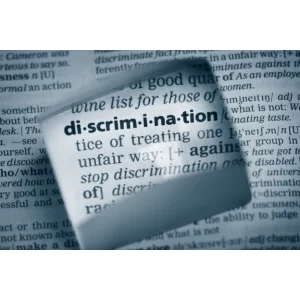
Justice Served: FEL Negotiates Seven-Figure Settlement in Race and Disability Discrimination Case
I’m proud to share a recent victory our firm achieved on behalf of a client who faced unjust and unlawful treatment in the workplace. We secured a seven-figure settlement in a case involving both disability discrimination and race discrimination, sending a clear message that such conduct will not be tolerated under the law. Our…

Understanding California AB 2602 and Your Protection From AI Misuse at Work
As artificial intelligence (AI) becomes more integrated into modern employment practices, it also introduces new legal and ethical challenges, particularly around privacy and the use of digital likenesses. In response, California enacted Assembly Bill 2602 (AB 2602), effective January 1, 2025, to address these concerns head-on. This development in employment law reflects California’s proactive…

AI in the Workplace: Legal and Ethical Considerations for Employers and Employees
Artificial Intelligence (AI) is transforming the modern workplace. From automated resume screening to performance tracking software, AI is quickly becoming a key tool in hiring, managing, and evaluating employees. But as these tools become more common, they also raise serious questions about fairness, privacy, and compliance. Are decisions made by algorithms really unbiased? Can…

Navigating the Legal and Personal Implications of Recent Federal Workforce Reductions
The recent wave of mass layoffs within the federal government has ignited complex legal debates and profoundly affected the lives of thousands of employees. These developments have prompted scrutiny regarding their legality, the immediate impact on those dismissed, and the broader, long-term consequences for public service and governance. Legal Framework and Challenges The Worker…

Employee Privacy and Workplace Surveillance in California
The rapid expansion of digital monitoring tools has enabled employers to collect detailed data about employees’ activities in the workplace, often without meaningful consent or oversight. From keystroke trackers and facial recognition software to location tracking and real-time productivity dashboards, these technologies are transforming how work is managed. In California, however, employers must be…
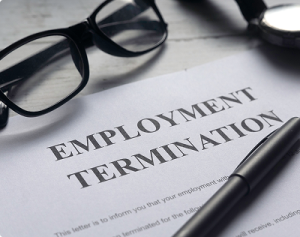
Non-Compete Agreements: Why California is (Still) Leading the Charge
If you’re an employee in California, you might be surprised to learn just how protected you are when it comes to non-compete agreements. In fact, California has long been the rebel in the room, banning most non-competes outright while the rest of the country largely went along with them. Now, the Federal Trade Commission…

DEI Under Fire: What the Federal Contractor Crackdown Means for Employees
Recent moves by the federal government have signaled a dramatic shift in how workplace diversity, equity, and inclusion (DEI) programs are being viewed—especially among federal contractors. If you’re an employee working for a company that holds government contracts, these developments could directly affect your rights and the protections you rely on in the workplace….
Schedule F Reinstated: What Federal Workforce Reclassification Could Mean for Civil Service Employment
The federal workforce is facing one of its most significant potential transformations in decades with the proposed return of Schedule F, a personnel classification that would reclassify a substantial number of policy-oriented positions within the executive branch. Originally introduced in 2020 and rescinded in early 2021, Schedule F has resurfaced in 2025 as part…

New California Employment Laws in 2025: What Workers Need to Know Now
We’re already well into 2025, and several new employment laws have taken effect in California. If you haven’t checked how these changes impact your rights in the workplace, now is the time to catch up. Whether it’s a wage increase, stronger discrimination protections, or new employer obligations, these updates could affect your paycheck and…

One Word, Big Consequences: Why the Bailey v. SF District Attorney’s Office Case Changes Workplace Harassment Law in California
How much does one work really matter? In Bailey v. San Francisco District Attorney’s Office, the California Supreme Court made a powerful statement: a single racial epithet can be enough to create a hostile work environment under California law. This ruling challenges long-standing beliefs that workplace harassment must be frequent or ongoing to be…